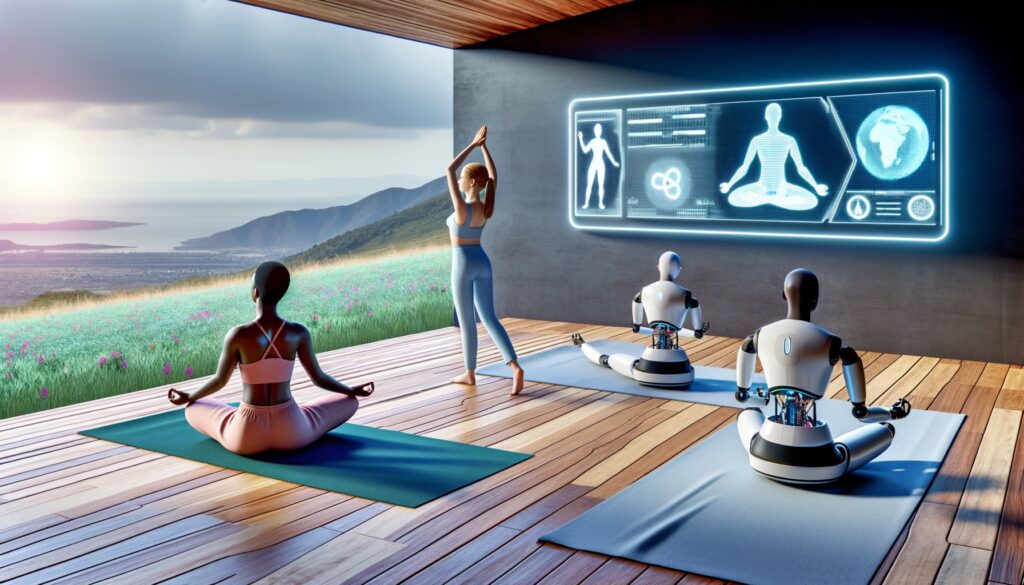
Yoga in the Digital Age
In a city known for its innovation and fast-paced work culture, professionals in Singapore constantly balance long hours, demanding deadlines, and digital distractions. Yet, amid this technological intensity, a quiet revolution is taking shape. Yoga, an ancient discipline that once required physical presence in serene studios, is finding a new digital dimension.
The trend of yoga Singapore has evolved far beyond mats and mirrors. With hybrid lifestyles becoming the norm, many Singaporeans now integrate yoga into their daily routines using online sessions, virtual instructors, and AI-powered feedback systems. These tools make mindfulness accessible anytime, anywhere — from the corner of a high-rise apartment to the comfort of a lunch break desk.
How Technology Is Changing the Way Singapore Practises Yoga
Digital transformation is not limited to offices and businesses. The wellness sector, particularly yoga, has embraced technology to create personalised, flexible, and measurable experiences.
Some of the key trends reshaping yoga in Singapore include:
-
On-demand streaming classes that fit into busy schedules.
-
AI-assisted posture correction using phone or wearable sensors.
-
Virtual reality yoga that transports users to calming landscapes.
-
Community-based apps that connect practitioners through challenges and discussions.
Technology is not replacing the human touch in yoga; instead, it is enhancing accessibility and accountability, helping Singapore’s tech-savvy population maintain consistency in their wellness routines.
The Shift Toward Hybrid Wellness
Singapore’s professionals often struggle with irregular working hours and limited free time. Hybrid wellness solutions, combining digital platforms with in-person classes, allow practitioners to stay consistent without compromising flexibility.
Morning classes can be attended at home through a live stream, while evening studio sessions provide real-time social interaction. This balance of digital and physical engagement has made yoga more inclusive, reaching those who once found it difficult to commit to fixed schedules.
AI-Powered Yoga: Personalising the Practice
Artificial intelligence is bringing precision to yoga instruction. Through motion tracking and body mapping, AI systems can detect posture deviations, alignment errors, and breathing inconsistencies.
For instance, a camera-based AI app may guide you to adjust your shoulders or lengthen your spine during a pose. Over time, it learns from your movements, offering customised feedback for growth.
This innovation benefits beginners and experienced yogis alike. Professionals in Singapore, who often value efficiency and measurable results, appreciate how AI-driven insights help them progress safely and effectively.
Virtual Yoga Communities and Digital Motivation
Human connection remains at the heart of yoga. Digital communities recreate that sense of belonging through shared goals, live chat sessions, and online challenges. Practitioners can join sunrise sessions, global mindfulness retreats, or weekly virtual meetups without leaving home.
These online circles serve as accountability partners, motivating participants to stay regular. For many Singaporeans, this digital companionship helps combat urban isolation and builds positive, supportive routines even within virtual spaces.
The Psychological Benefits of Digital Mindfulness
Digital yoga platforms are not just about convenience; they also support mental health. Guided meditations, breathing prompts, and interactive soundscapes allow users to disconnect from external noise.
Neuroscientific studies suggest that short, frequent virtual mindfulness sessions can reduce cortisol levels and enhance focus. For professionals working in Singapore’s technology and finance sectors, such micro-breaks improve cognitive performance and emotional regulation throughout the workday.
The Role of Wearable Technology in Yoga Practice
Wearables like smartwatches and fitness bands now integrate yoga modes that track breath rate, heart variability, and posture metrics. Data collected over time helps practitioners understand how yoga impacts their stress patterns and recovery cycles.
Some advanced systems even sync with AI yoga apps to offer real-time suggestions based on body response. For example, if your pulse remains elevated post-session, the system might recommend calming asanas or slower breathing practices.
This scientific precision transforms yoga from a subjective experience into an evidence-backed wellness approach.
Balancing Digital and Traditional Yoga Practice
While digital yoga offers flexibility and innovation, it should complement rather than replace traditional practice. Physical studios remain essential for developing deep alignment, human connection, and tactile feedback from instructors.
A balanced approach might look like this:
-
Weekdays: Quick 20-minute AI-guided sessions at home or in office break rooms.
-
Weekends: In-person group classes for community and posture refinement.
-
Travel days: VR or mobile yoga for continuity on the go.
This hybrid model ensures convenience without compromising authenticity.
Singapore’s Growing Tech-Wellness Culture
The city’s emphasis on digital connectivity makes it an ideal hub for tech-driven wellness innovation. Start-ups and established studios now collaborate to create smarter, data-driven yoga experiences.
Corporate wellness programmes increasingly include virtual yoga subscriptions, recognising their impact on employee wellbeing and productivity. Schools and universities are also integrating online mindfulness modules, preparing the next generation for emotional resilience in a digital future.
As Singapore continues to lead in smart living, digital yoga represents a natural extension of its wellness evolution.
The Role of Studios in a Digital Era
Even with AI and online platforms, studios such as Yoga Edition remain at the centre of the experience. They serve as grounding spaces for community interaction and deeper practice. Many leading studios now offer hybrid memberships — a combination of studio attendance and live-streaming options — ensuring students can practise consistently no matter where they are.
This adaptability reflects a modern understanding of wellness: true balance is not found by escaping technology, but by integrating it mindfully.
Challenges and Opportunities in Digital Yoga
Like all digital innovations, virtual yoga presents both advantages and limitations.
Challenges include:
-
Lack of physical correction during practice.
-
Screen fatigue or reduced engagement over time.
-
Potential overreliance on devices for motivation.
Opportunities include:
-
Reaching new demographics previously unable to attend in-person sessions.
-
Offering data-based feedback for measurable improvement.
-
Reducing barriers of distance, cost, and time.
When used wisely, technology amplifies yoga’s impact rather than diluting its essence.
The Future of Mindful Technology in Singapore
Singapore’s wellness landscape is evolving toward integration — where ancient wisdom meets artificial intelligence. The coming years may see immersive holographic instructors, personalised neurofeedback systems, and bio-responsive environments that adjust lighting and temperature based on users’ emotional states.
Yet, the purpose will remain unchanged: to connect mind, body, and breath. Technology will continue to support, not substitute, the human intention of awareness and balance.
FAQs About Digital Yoga and Modern Mindfulness
Q1: Are AI yoga apps accurate for beginners?
Yes, they are useful for posture awareness and basic alignment, though beginners should still attend a few studio sessions for foundational learning.
Q2: Can digital yoga replace in-person classes completely?
No, it complements physical sessions. Human guidance and community connection remain valuable parts of holistic yoga practice.
Q3: Do virtual yoga sessions provide the same mental benefits as physical classes?
Yes, studies show that guided virtual meditation and yoga can reduce stress and anxiety when practised consistently.
Q4: How can I prevent screen fatigue while doing digital yoga?
Use larger screens, maintain good lighting, and practise with eyes closed during meditation segments to reduce visual strain.
Q5: What’s next for yoga technology in Singapore?
Expect smarter wearables, AI mood detection, and hybrid studio models that merge data tracking with personal instruction.
