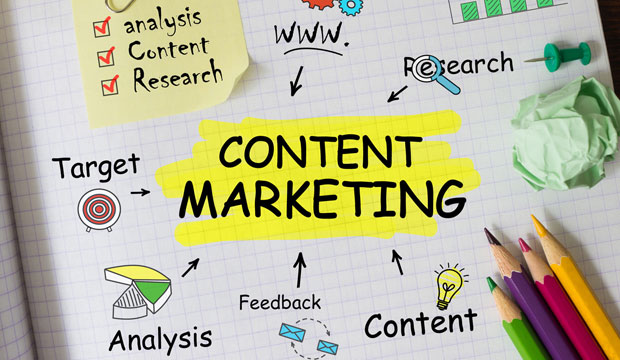
The content market has evolved far beyond traditional blogs and static articles. Today, it is a complex ecosystem where businesses, creators, and marketers compete for attention, authority, and revenue. Advanced content strategies focus on targeted distribution, audience segmentation, monetization, and data-driven insights, allowing organizations to not just participate in the market but dominate it. Businesses that leverage these approaches can turn content into a strategic asset that drives growth, brand recognition, and customer loyalty.
Content Monetization Beyond Ads
While traditional advertising remains a core revenue source, modern content monetization involves diverse streams that maximize profitability.
-
Subscription Models: Offering premium, exclusive content to paying members provides predictable revenue and nurtures a loyal audience.
-
Affiliate Marketing Partnerships: High-quality content can generate revenue by strategically recommending products or services aligned with the audience’s needs.
-
Sponsored Content: Collaborations with brands allow creators to monetize while maintaining relevance and authenticity.
-
E-commerce Integration: Embedding direct product sales within content, such as shoppable videos or articles, blends marketing and revenue generation seamlessly.
Advanced monetization strategies require analytics-driven decision-making, ensuring that each piece of content is optimized for engagement and conversion.
Data-Driven Content Creation
One of the most powerful tools in the modern content market is data analytics, which informs content strategy at every stage.
-
Audience Segmentation: Analyzing demographic, behavioral, and psychographic data allows for hyper-targeted content creation.
-
Trend Analysis: Monitoring search patterns, social media conversations, and competitor activity helps identify trending topics before they saturate the market.
-
Content Performance Metrics: Tracking engagement, dwell time, conversion rates, and retention informs iterative improvement.
-
Predictive Analytics: Leveraging AI algorithms to anticipate content preferences and behaviors enables proactive strategy adjustments.
Data-driven approaches transform content from a generic tool into a precision instrument for audience engagement and business impact.
Advanced Distribution Channels
Content is only as effective as its reach, making multi-channel distribution a critical component of success.
-
Omnichannel Publishing: Coordinating content across blogs, social media, newsletters, podcasts, and video platforms ensures maximum exposure.
-
Programmatic Content Placement: Leveraging automated tools to distribute content to targeted audiences improves efficiency and relevance.
-
Collaborative Networks: Partnering with influencers or content hubs amplifies reach while maintaining authenticity.
-
SEO-Driven Optimization: Strategic keyword integration and technical SEO enhancements improve organic visibility in competitive search landscapes.
Optimized distribution ensures that content reaches the right audience at the right time, increasing engagement and monetization potential.
Personalized Content Experiences
Generic content no longer drives results; advanced content strategies focus on personalized experiences tailored to user behavior and preferences.
-
Dynamic Content Rendering: Systems that adapt content based on user data, including browsing history and geographic location, increase relevance.
-
Interactive Content: Quizzes, calculators, and immersive experiences engage users actively rather than passively consuming content.
-
Behavioral Triggering: Sending targeted content or recommendations based on user actions enhances retention and conversion.
-
Multimedia Integration: Combining video, audio, graphics, and text in personalized sequences increases engagement across diverse user types.
Personalization fosters user loyalty, improved engagement metrics, and higher conversion rates in competitive markets.
Content Lifecycle Management
Advanced content strategies view each piece as part of a strategic lifecycle, ensuring maximum return on investment.
-
Content Planning and Ideation: Research-based ideation aligned with business goals ensures relevance and long-term value.
-
Content Creation and Optimization: Iterative refinement, keyword targeting, and readability optimization improve effectiveness.
-
Distribution and Promotion: Scheduling, cross-platform promotion, and influencer amplification enhance reach.
-
Performance Measurement and Re-optimization: Analyzing content performance and refreshing high-value assets ensures longevity and relevance.
Lifecycle management transforms content from a short-term tactic into a long-term strategic asset.
Leveraging AI and Automation
Artificial intelligence is increasingly central to the modern content market, enhancing efficiency and quality.
-
AI Content Generation: Tools can create drafts, summaries, and localized versions at scale, reducing production time.
-
Automated Editing and Proofreading: AI-driven grammar, style, and SEO checks improve quality and search performance.
-
Predictive Content Scheduling: AI tools analyze audience behavior to schedule content for optimal engagement.
-
Sentiment and Topic Analysis: AI assesses audience reactions and emerging trends, guiding strategic adjustments.
The integration of AI allows teams to focus on creativity and strategy while maintaining scale and consistency.
Niche Authority and Thought Leadership
Success in the content market is no longer about volume alone; establishing authority and thought leadership drives long-term engagement and trust.
-
In-Depth Research Content: Comprehensive guides, whitepapers, and case studies build credibility in specialized niches.
-
Expert Collaboration: Partnering with recognized experts or influencers strengthens brand authority.
-
Unique Insights and Proprietary Data: Sharing original research or unique analysis differentiates content from competitors.
-
Consistent Voice and Brand Identity: Maintaining a recognizable and authoritative tone fosters loyalty and recognition.
Thought leadership transforms content from a marketing tool into a strategic asset for brand equity and audience trust.
Emerging Trends in the Content Market
Staying ahead in the content market requires awareness of emerging trends that can reshape strategy:
-
Short-Form Video Dominance: Platforms like TikTok and Instagram Reels drive high engagement through concise, impactful content.
-
Voice Search Optimization: Adapting content for voice-activated devices enhances discoverability.
-
AI-Enhanced Personalization: Deep learning enables hyper-personalized experiences across platforms.
-
Interactive and Immersive Media: AR, VR, and gamified experiences are becoming central to engaging content ecosystems.
Adopting these trends ensures that content remains relevant, engaging, and aligned with evolving audience preferences.
FAQ:
Q1: How can subscription models be optimized in the content market?
Subscription models work best when content is exclusive, consistently high-quality, and aligned with the audience’s interests.
Q2: What role does AI play in content distribution?
AI automates scheduling, identifies optimal channels, predicts engagement, and enhances targeting for maximum reach.
Q3: How can content creators measure ROI effectively?
Metrics such as engagement rate, conversion rate, retention, and revenue per piece provide accurate ROI measurement.
Q4: Why is personalization essential in modern content strategies?
Personalized content increases relevance, engagement, and conversion by delivering experiences tailored to individual behaviors.
Q5: What differentiates thought leadership content from standard marketing content?
Thought leadership focuses on unique insights, authoritative analysis, and niche expertise rather than promotional messaging.
Q6: How does AI improve content lifecycle management?
AI streamlines content ideation, creation, editing, distribution, and performance analysis, improving efficiency and scalability.
Q7: What emerging trend is reshaping content engagement the most?
Short-form video and interactive media are rapidly transforming how audiences consume and engage with content.
