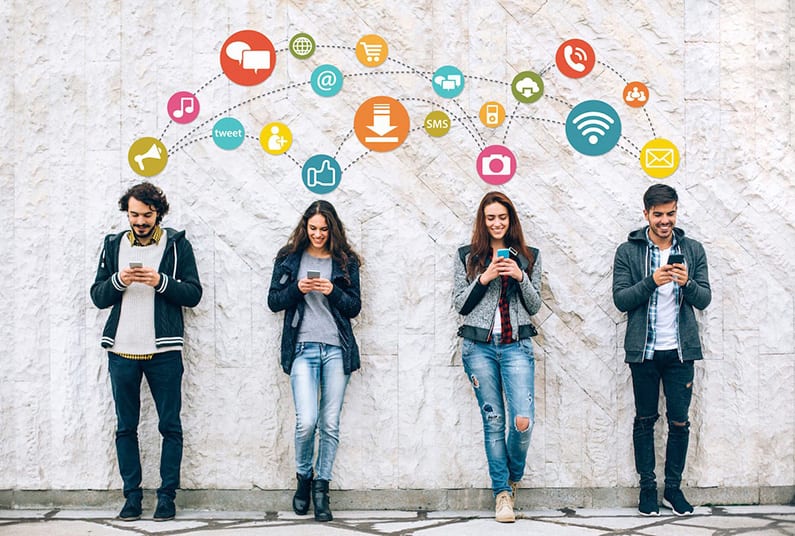
Social media has evolved far beyond simple networking or content sharing. Today, it is a complex ecosystem where businesses, influencers, and consumers intersect, shaping perceptions, trends, and purchasing behaviors. Modern social media strategies are no longer about posting frequently or gaining followers—they are about precision targeting, data-driven engagement, and integrating platforms into broader business objectives. Brands that adopt advanced social media approaches can achieve measurable ROI, strengthen their digital presence, and foster authentic connections with audiences.
Algorithmic Intelligence and Social Media Optimization
Modern social media platforms rely heavily on algorithmic intelligence to deliver personalized content to users. Understanding and leveraging these algorithms is crucial for businesses and marketers seeking maximum engagement.
-
Predictive Content Distribution: Algorithms prioritize content likely to resonate based on previous user interactions, time spent, and engagement patterns.
-
Behavioral Analytics: Advanced analytics track clicks, dwell time, and conversion rates, allowing brands to optimize campaigns for engagement and sales.
-
Dynamic Advertising: Platforms like Facebook and Instagram use AI to serve highly targeted ads, adjusting in real-time based on user response.
-
Content Visibility Strategies: Brands must focus on timing, format, and relevance to align with algorithmic preferences and reach the right audience effectively.
Algorithm-driven content strategies empower brands to maximize reach while minimizing wasted spend, turning social media into a precise marketing channel.
Social Commerce: Turning Engagement into Revenue
Social media has become a direct sales channel through integrated e-commerce features.
-
Shoppable Posts and Live Shopping: Platforms like Instagram and TikTok allow users to purchase products directly through posts or live streaming events.
-
Micro-Moments and Impulse Buying: Strategic placement of products in engaging content encourages spontaneous purchases by tapping into immediate consumer desire.
-
Influencer-Led Social Commerce: Partnering with influencers transforms authentic engagement into measurable revenue, particularly when tracking conversion attribution.
-
Data-Driven Product Recommendations: AI analyzes consumer behavior to recommend products dynamically, boosting upselling and cross-selling opportunities.
Social commerce bridges the gap between engagement and transaction, making social media an indispensable tool for modern business revenue streams.
Advanced Audience Segmentation and Personalization
Personalization goes beyond addressing users by name—it involves delivering hyper-relevant experiences based on intricate audience insights.
-
Psychographic Profiling: Understanding attitudes, values, and lifestyle preferences enables more meaningful content delivery.
-
Micro-Segmentation: Dividing audiences into highly specific groups based on behavior, device usage, location, or engagement history improves targeting efficiency.
-
Dynamic Content Adaptation: Content can change automatically based on the user’s segment, device, or time of day to maximize relevance and interaction.
-
Cross-Platform Personalization: Coordinating personalized messaging across multiple platforms ensures consistent brand experience and higher retention rates.
Advanced segmentation ensures that every user interaction is relevant, fostering engagement and loyalty while reducing marketing waste.
Social Listening and Real-Time Insights
Listening to your audience goes beyond monitoring mentions—it involves analyzing sentiment, trends, and unmet needs in real time.
-
Sentiment Analysis: AI tools assess positive, negative, or neutral sentiment in user conversations to inform campaign adjustments.
-
Trend Identification: Brands can capitalize on emerging conversations or viral topics to increase relevance and visibility.
-
Competitive Intelligence: Monitoring competitor activity provides insights into industry benchmarks, opportunities, and gaps.
-
Crisis Management: Early detection of negative sentiment allows brands to respond proactively, mitigating reputational risks.
Effective social listening turns conversations into actionable intelligence, enabling brands to adapt strategies quickly and maintain relevance.
Video and Interactive Content Dominance
Visual content dominates social media, but modern strategies emphasize interactive, immersive experiences over passive consumption.
-
Short-Form Video Content: TikTok, Instagram Reels, and YouTube Shorts have redefined attention spans, requiring concise, high-impact storytelling.
-
Live Streaming and Q&A Sessions: Real-time engagement fosters authenticity and deeper connection with audiences.
-
AR Filters and Interactive Polls: Gamified and augmented content increases time spent on posts and encourages active participation.
-
360-Degree and VR Experiences: Advanced immersive content enhances product exploration, storytelling, and event promotion.
The emphasis on interactive video ensures that content captures attention, encourages participation, and drives conversions in a crowded social media landscape.
Influencer Marketing Evolution
Influencer marketing has matured from celebrity endorsements to data-driven partnerships focused on measurable results.
-
Nano and Micro-Influencers: Smaller influencers often have higher engagement rates and trust levels with niche audiences.
-
Performance-Based Contracts: Partnerships are increasingly tied to actual metrics, such as clicks, conversions, or social shares.
-
Content Co-Creation: Brands collaborate with influencers to produce authentic content rather than simply sponsoring posts.
-
Cross-Platform Influence: Influencers are now evaluated for reach and engagement across multiple platforms, maximizing multi-channel impact.
Strategic influencer collaborations transform social media campaigns into highly credible, measurable marketing initiatives.
Social Media Automation and AI Tools
Automation tools and AI-driven platforms are transforming social media management by optimizing content scheduling, analysis, and engagement.
-
Automated Posting and Scheduling: AI tools predict optimal posting times to maximize visibility and engagement.
-
Chatbots and Conversational AI: Real-time customer support on platforms like Messenger and Instagram enhances service quality and responsiveness.
-
Performance Analytics Dashboards: Automated reports analyze engagement, conversions, and audience growth for actionable insights.
-
Content Generation and Curation: AI can create personalized content drafts, suggest hashtags, and repurpose content across channels efficiently.
Automation combined with AI ensures that brands maintain a strong presence without overextending resources, freeing teams for strategic tasks.
Integrating Social Media into Business Strategy
Social media is no longer a standalone channel—it must integrate seamlessly into broader business goals.
-
Cross-Channel Campaigns: Coordinating messaging across email, paid ads, website, and social media ensures cohesive brand communication.
-
Attribution and ROI Measurement: Tracking conversions, lifetime value, and engagement metrics allows businesses to justify spend and optimize campaigns.
-
Customer Journey Mapping: Social interactions are analyzed to identify touchpoints that drive awareness, consideration, and loyalty.
-
Content Ecosystem Alignment: Content strategies are synchronized with product launches, events, and promotions to amplify impact.
When social media aligns with overarching business objectives, it becomes a powerful driver of growth, loyalty, and brand equity.
FAQ:
Q1: How do algorithms influence content visibility on social platforms?
Algorithms prioritize content based on user behavior, engagement patterns, and relevance, making it essential to optimize posts for timing, format, and audience interest.
Q2: What is social commerce, and why is it important?
Social commerce enables direct purchases within platforms, turning engagement into measurable revenue and enhancing the shopping experience.
Q3: How does hyper-personalization improve social media marketing?
Delivering content tailored to specific user segments increases engagement, loyalty, and conversion rates while reducing irrelevant messaging.
Q4: Why is social listening critical for brands?
It provides real-time insights into trends, sentiment, and competitor activity, allowing brands to adapt strategies and respond proactively.
Q5: How are video and interactive content transforming social engagement?
Interactive and immersive content increases attention, encourages participation, and drives conversions in an increasingly crowded digital landscape.
Q6: How is influencer marketing evolving in 2025?
Influencer marketing is now data-driven, focusing on measurable results, multi-platform reach, and authentic co-created content.
Q7: What role does AI play in social media automation?
AI optimizes scheduling, content creation, chat interactions, and analytics, allowing brands to maintain high engagement efficiently and strategically.
